
Blog
Insights on Web Design, Website Management, SEO, Marketing, Advertising & Lead Generation.
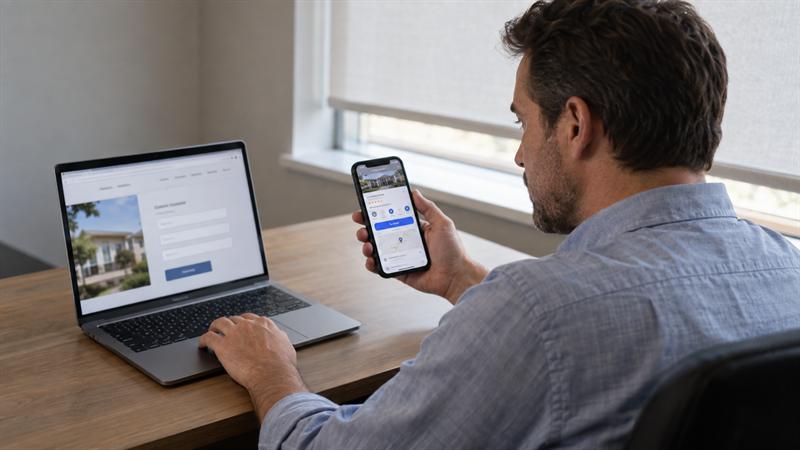
How to Turn Website Traffic Into Leads (Without Increasing Traffic)
Your website may get traffic and still not earn calls, forms, or bookings. The problem is usually the path between the visitor’s search and the first contact action. The fix is not always more traffic. It is finding where the path leaks.
Start with the page that already ranks. Does the headline match the service and area the visitor is searching for? Is the phone number visible on a phone screen? Does the form ask only for name, phone, and service? Small changes can reduce friction and help the visitor take the next step.
Also check the local signal. A Google Business Profile that disagrees with the website can create doubt at the moment of contact. Add clear service area, availability, and a specific review near the form or call button. When the page, profile, and follow-up line up, you can attract better opportunities from the traffic you already have.
Read more to see how to audit your lead path and repair the break before your next quarter of spend.

Internal Linking for SEO: Real Examples and Structures That Work
Is your website content making it easy for visitors to take the next step? Internal linking isn’t just about adding more links. It’s about creating clear paths between your blog posts and service pages so readers know exactly where to go next, and search engines understand which pages matter. The result is a more connected website that keeps people moving toward your services.
One common mistake? Publishing new articles without linking to them from older content, which leaves helpful resources isolated and harder to find. A quick fix is to review your older posts and add contextual links that answer a reader’s next logical question. Different sites need different structures. The article covers real examples for service businesses, blog-led topic clusters, and ecommerce catalogs.
Start by mapping one priority service area and finding the missing connections. When internal links support a clear site structure, your content becomes easier to discover and easier to use.
Read the full article for real examples and practical structures you can apply today.

What Makes a Website High-Converting? Design, Structure, and Messaging Explained
A high-converting website does more than attract visitors. It turns qualified traffic into calls, quotes, bookings, and sales. If your site is getting visits but not leads, the problem is often a broken conversion path.
Visitors decide fast. They need to know if you’re relevant, what you offer, why to trust you, what to do next, and how easy it will be. Make those answers obvious on every important page.
Match your landing pages to the ads and searches that send people there. Keep one clear call to action. Ask for only the information you actually need. Small fixes can make a big difference.
Read the full article to see where your conversion path may be breaking.
How to Create Local SEO Location Pages That Rank Without Duplicate Content
Are your local SEO location pages bringing in real traffic? Too often businesses create a page for every nearby city, change the city name, and call it done. That doesn’t build local visibility. It creates duplicate content and weak pages.
A strong location page needs a distinct purpose. Include accurate business details, local service information, and a clear next step. Show visitors you actually serve their area with verified coverage, local questions, and real proof. Don’t just repeat the same copy.
Focus on fewer, better pages. Prioritize markets you can truly serve, connect each page to relevant services, and measure what actions visitors take. When each page answers a real local need, you get stronger rankings and better conversions.
Read the full article to build location pages that rank.

On-Page SEO for Service Websites: What Actually Matters
Is your service website getting traffic but not the right leads? The issue is often unclear pages, not missing keywords. If visitors cannot tell what you offer, who it is for, or what to do next, they leave.
Start with your primary services. Give each one a focused page that explains the offering, the customer need, and the next step. Skip thin city pages that just swap location names. Strengthen your core pages first.
Make every page easier to choose. Clear titles, headings, service copy, and a direct call to action help qualified visitors move from search to contact. That is what turns visibility into inquiries.
Want a website that shows up and brings better opportunities? Read the full article to see what to fix first.

How to Build a Marketing Funnel That Actually Converts (Website + SEO + Ads)
Most funnels don’t fail from lack of effort. They fail when traffic, messaging, and conversion aren’t aligned. More traffic won’t fix that.
Your website decides whether visitors become leads. SEO brings compounding traffic. Ads bring immediate visibility. But if the page doesn’t match the promise, people leave. Leads are lost between steps, not within them.
A funnel that converts connects each stage. Align your traffic with intent. Build clear, focused pages. Follow up fast. Track where users drop off and refine the structure.
Want a more consistent path from visibility to leads? Read the full article to see how SEO, ads, and your website can work together.

Website Redesign SEO Checklist: How to Avoid Losing Rankings
Worried about losing rankings during a website redesign? Most ranking drops come from changing URLs, content, or structure without a plan. The good news is these problems are predictable—and avoidable.
A structured SEO checklist helps protect what’s already driving traffic and leads. Keep existing URLs when possible. Map every redirect before launch. Preserve your internal links and high-value pages. When design and SEO move together from the start, your new site can perform better—not worse—than the old one.
Don’t leave your visibility to chance. Read the full checklist to keep your rankings stable through your next redesign.

Keyword Research for Local Businesses: How to Find High-Intent Searches
Are you targeting keywords that attract clicks but not calls? Many local businesses invest in SEO but miss the searches that actually convert.
Local keyword research isn’t about collecting more terms. It’s about finding the high-intent searches that signal someone is ready to hire. Think “emergency plumber near me” instead of “plumbing tips.”
The difference? One drives leads. The other drives traffic that goes nowhere.
Most underperforming SEO strategies share the same gap: keywords don’t match real customer behavior. Your services, locations, and urgency modifiers need to align with how people actually search.
Ready to see if your keyword strategy is costing you leads? Read the full breakdown.

How to Structure a High-Converting Landing Page (Step-by-Step Framework)
Most landing pages get clicks but not conversions. Why? The structure doesn’t match how people actually decide.
If your page looks good but feels disconnected, visitors leave. The fix is a clear flow: immediate clarity, problem alignment, solution, proof, offer, and repeated calls-to-action. That sequence reduces hesitation and keeps users moving forward.
Are you leaving conversions on the table? A simple structural review often makes the biggest difference.
Read the full step-by-step framework to see what your page might be missing.