
Blog
Insights on Web Design, Website Management, SEO, Marketing, Advertising & Lead Generation.
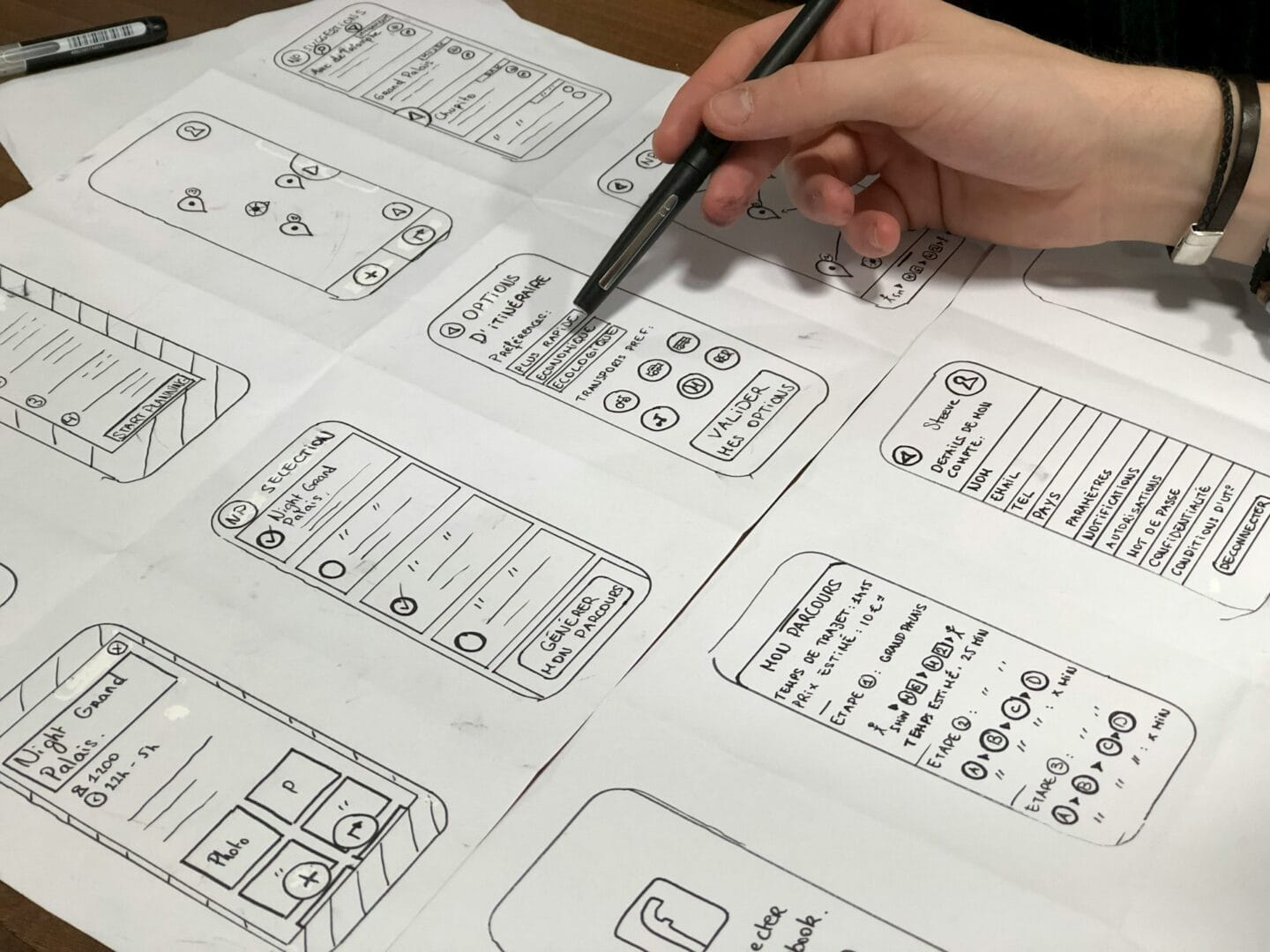
Mobile-First Website Design: Essential Tips for Creating User-Centric Mobile Experiences
As mobile device usage continues to soar across the globe, businesses must prioritize designing user-friendly, engaging, and high-performing mobile experiences to meet the demands of the modern consumer.

Designing for Accessibility: Creating Inclusive Web Experiences for All Users
In today's digitally connected world, websites serve as important gateways to information, services, and opportunities. Ensuring that your website is accessible to individuals of all abilities is crucial in creating an inclusive online experience that fosters equal...

Embrace Mobile-First Design: Optimize Your Website for Mobile Devices and Boost Success
As the number of people accessing the internet via mobile devices continues to grow, the need for responsive, mobile-friendly web design has become increasingly important.

Optimizing Your Website for Mobile Users: Essential Tips to Maximize User Experience and Drive Conversions
With the ever-increasing usage of smartphones and tablets, mobile optimization has become a crucial aspect of web design and online marketing today.

6 Essential Tips for Crafting a Compelling Website Homepage
Your website’s homepage serves as the digital front door to your business, setting the stage for the user experience and forming the first impression on potential customers.
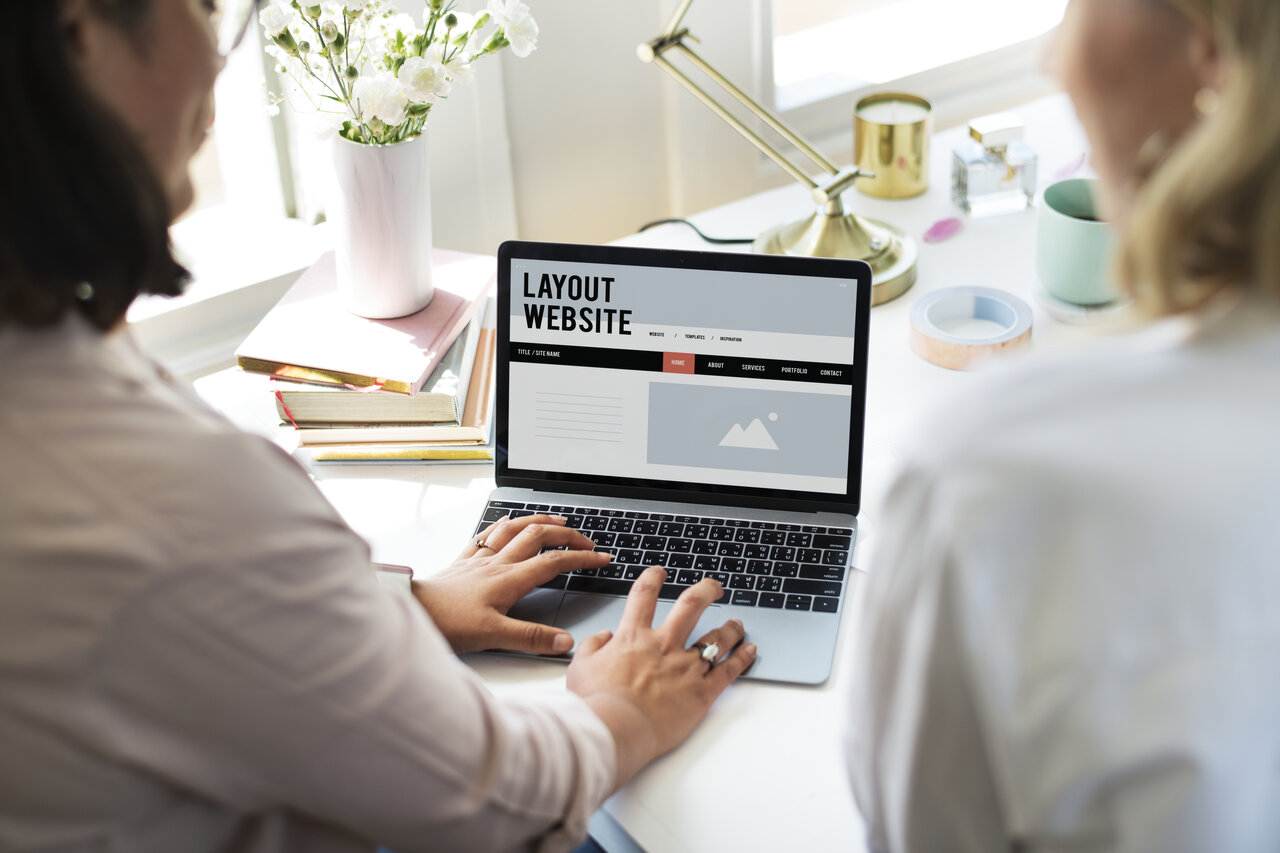
The Ultimate Checklist for an Effective Website Redesign
In today’s fast-paced digital landscape, revamping your website is essential in maintaining an engaging online presence, meeting evolving user expectations, and staying ahead of competitors.
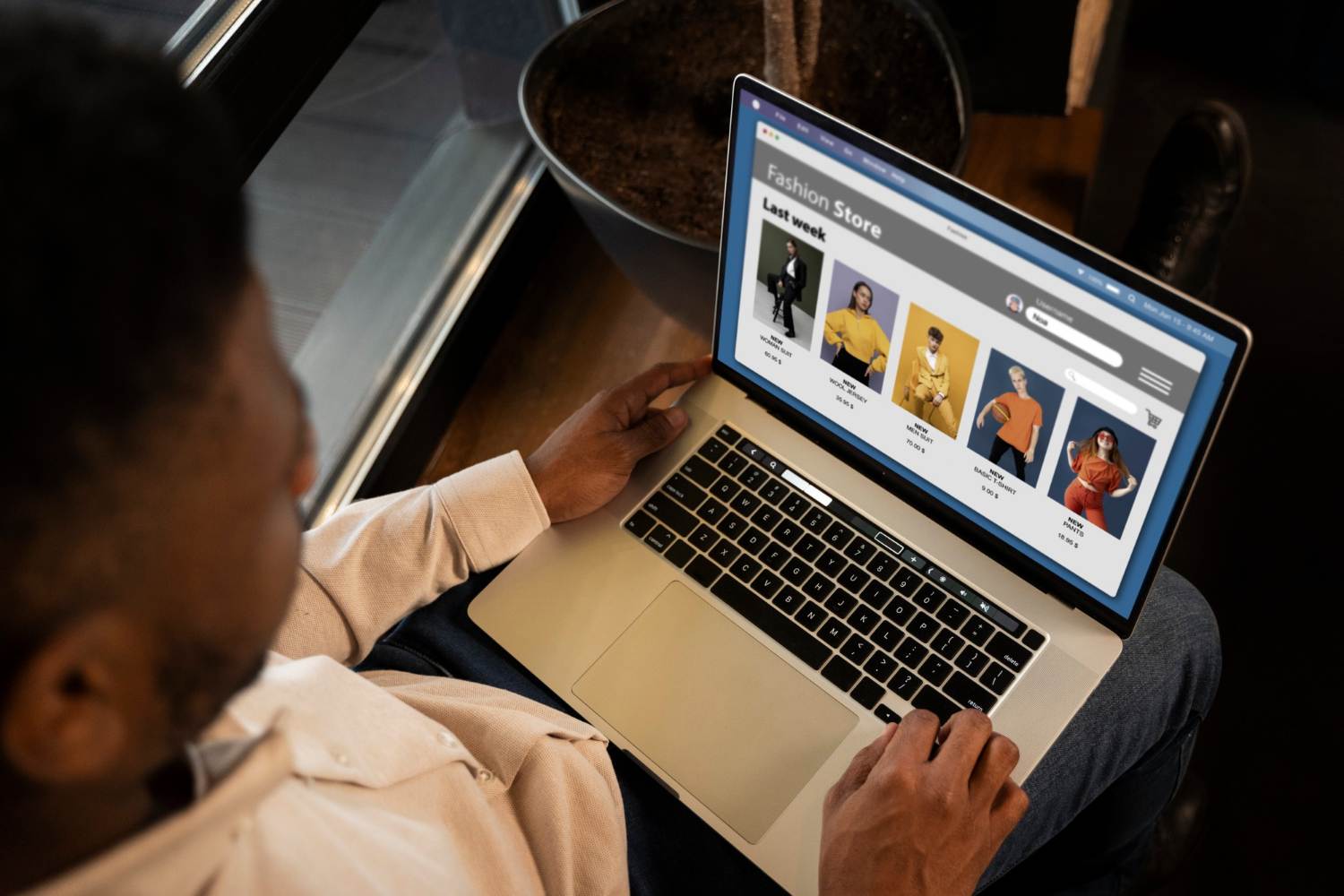
The Complete Small Business Guide to Creating a Customized Web Design Strategy
As a small business owner, your website plays a pivotal role in your digital presence and overall success.

How to Use Videos Effectively in Your Web Design and Marketing Strategy
The internet has evolved dramatically over the years, with video content steadily taking center stage as one of the most effective ways to engage, entertain, and inform online audiences.

The Ultimate Website Launch Checklist: Ensure Your Site is Ready for Success
Launching a new website is an exciting and significant milestone for any business.